
A perfectly styled room can still feel strangely uncomfortable. Funny how that works.
Some homes look impressive for about thirty seconds, then start feeling cold, almost untouchable. Others are packed with details — carved furniture, layered fabrics, family photos leaning slightly crooked on shelves — yet people naturally settle into them without thinking twice. That difference usually has little to do with budget. It’s about atmosphere. Personality. The way a space reacts to daily life.
The debate between modern and traditional decorating has been around for years, though most homeowners don’t truly care about labels at first. They just want a home that feels right. Comfortable after a long day. Functional during chaotic mornings. Attractive without looking staged for a real estate listing. That search often leads people toward professional interior decorator services, especially once Pinterest inspiration starts colliding with reality.
Because decorating a home sounds easy until decisions actually begin.
Modern Interiors: Clean, Open, and Sometimes Misunderstood
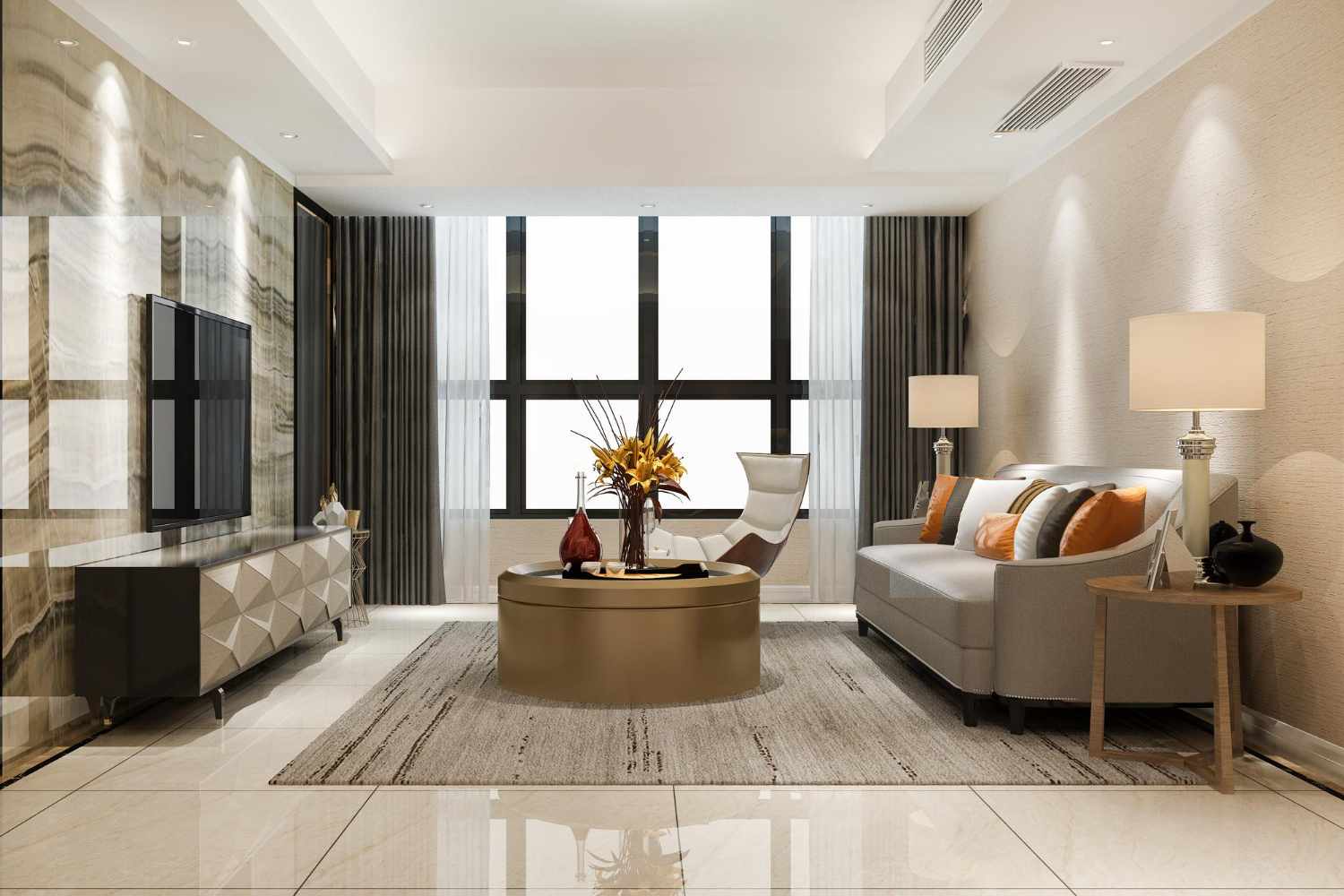
Modern decorating gets reduced to one stereotype over and over again — white walls, sharp furniture, zero personality. Not entirely fair.
At its best, modern design creates breathing room. Clean lines reduce visual stress. Open layouts make movement easier. Furniture tends to serve a purpose instead of simply filling empty corners. There’s a quietness to modern spaces that many people find calming, especially after spending entire days surrounded by noise, screens, traffic, notifications. Constant stimulation.

That simplicity has psychological weight behind it.
A cluttered room can subtly increase stress levels without anyone noticing immediately. Ever walked into an overcrowded living room and felt tired before even sitting down? Happens more often than people admit.
Modern interiors avoid that heaviness by focusing on restraint. Fewer decorative objects. Softer color palettes. Intentional furniture placement. Even natural light becomes part of the design instead of an afterthought.
Still, modern decorating can go too far. Some spaces end up feeling more like hotel lobbies than homes. Beautiful? Sure. Warm? Not always.
And warmth matters.
Traditional Design Feels Familiar for a Reason
Traditional interiors carry emotional weight almost automatically.
Dark wood dining tables, detailed molding, layered curtains, textured upholstery — these things remind people of older homes, family gatherings, quiet evenings, places connected to memory. That familiarity creates comfort before anyone consciously recognizes it.
There’s also a sense of permanence in traditional decorating. Rooms feel established rather than temporary.
Patterns play a major role too. Floral fabrics, oriental rugs, antique finishes, framed artwork arranged imperfectly across walls. None of it aims for minimalism. Traditional homes embrace fullness instead of avoiding it.
Sometimes that fullness becomes the problem.
Too many decorative elements can shrink a room visually and mentally. Heavy furniture crowds smaller spaces. Excess ornamentation competes for attention. A home starts feeling busy instead of welcoming.
Strange balance, honestly.
Traditional decorating works best when restraint still exists somewhere beneath the layers.
Real Life Usually Chooses the Style
Design trends sound wonderful until everyday life enters the room carrying groceries, backpacks, pets, coffee cups, and unfolded laundry.
A sleek modern home with white furniture may look incredible online, but maintaining that perfection becomes exhausting for busy households. Fingerprints appear instantly. Scratches become impossible to ignore. Minimalist spaces leave nowhere to visually “hide” ordinary life.
Traditional interiors handle imperfection differently. Scratches blend into textured wood. Patterned fabrics disguise wear. Collected décor naturally feels less fragile.
That’s one reason family homes often lean traditional without even planning to.
But there’s another side to this conversation.
People working long hours or living in fast-moving urban environments sometimes prefer modern interiors precisely because they reduce mental clutter. Cleaner surroundings can create a surprising sense of control. A quiet room affects mood more than most decorating articles mention.
Not dramatically. Just subtly. Enough to matter.
Mixing Both Styles Often Creates the Best Results
Pure decorating styles rarely survive real homes anyway.
Most people naturally combine elements without realizing it. A modern sectional paired with vintage lighting. Traditional wooden tables inside open-concept layouts. Minimalist kitchens softened with warm textures and imperfect handmade décor.
That mixture feels more believable somehow.
Rigidly modern homes can feel emotionally distant. Strictly traditional spaces sometimes drift into outdated territory. Blending both styles allows personality to enter the design naturally instead of forcing a home into one category.
This explains why traditional modern interior design has gained attention recently. It offers balance — structure without stiffness, simplicity without emptiness.
And honestly, balance tends to age better than trends.
Which Style Actually Fits Your Home?
The answer usually reveals itself through lifestyle, not aesthetics.
Homes meant for entertaining large families often benefit from the warmth and flexibility of traditional decorating. Smaller apartments or fast-paced professional lifestyles may lean naturally toward modern simplicity. Neither choice is superior. That part gets exaggerated online far too often.
The better question is simpler: what kind of environment feels comfortable after the novelty disappears?
Because trends fade quickly. Daily life doesn’t.
The most memorable homes rarely look perfect. They feel personal. Slightly imperfect. Lived in without looking neglected. Spaces where furniture gets used, conversations linger, and nothing feels too precious to touch.
That kind of authenticity cannot be copied from a catalog.
And thankfully, it doesn’t need to be.


Write a comment ...